Rigged for Your Sweet Tooth: The Hidden Design Playbook Casinos Use to Keep You at the Machine
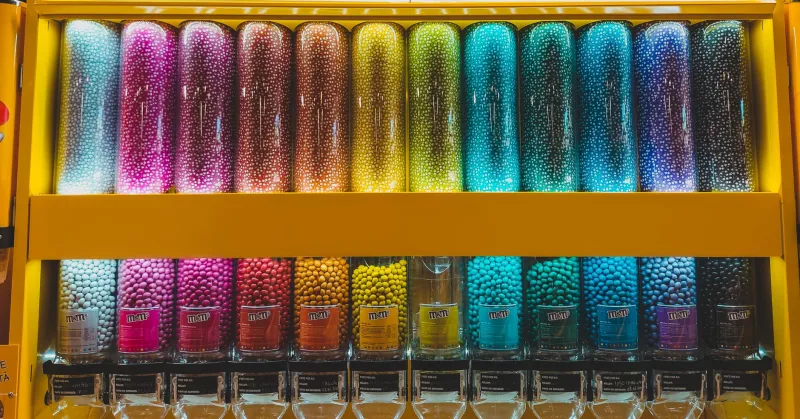
Imagine walking into a candy store where every single shelf, smell, and song has been engineered by a team of behavioral scientists whose sole job is to make sure you leave with three times more candy than you planned to buy. Sounds paranoid? Welcome to the modern casino — online or off — where the same psychological machinery that keeps kids glued to the gummy bear display is quietly working overtime on grown adults with debit cards.
This isn't conspiracy theory. It's behavioral design, and it's both legal and extraordinarily effective. The good news? Once you know what you're looking at, the tricks lose a lot of their power. Let's crack open the wrapper.
The Color Rush: Why Everything Looks Like a Candy Store at 2 a.m.
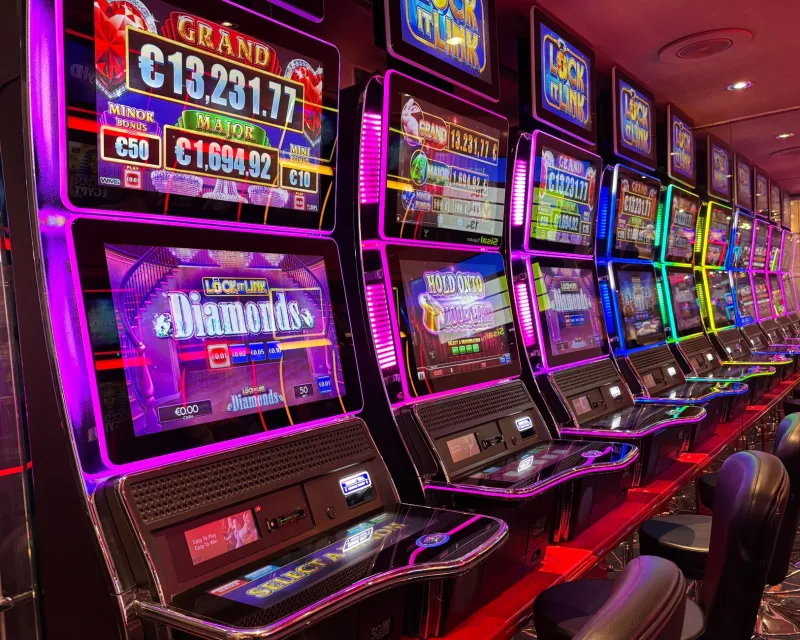
Casinos — especially online ones — are not accidentally red, gold, and electric blue. These colors were chosen with the precision of a confectioner picking the exact shade of cherry that makes your mouth water before you've even tasted anything.
Red is a stimulant. Studies consistently show it raises heart rate and encourages faster decision-making. Gold signals reward and abundance. Bright, saturated blues and purples create a sense of excitement without tipping into outright aggression. Put them all together and you've got a visual environment that quietly whispers keep going every time your eyes move across the screen.
Physical casinos take this further by eliminating natural light and using warm, flattering overhead lighting that makes everything look like the inside of a luxury chocolate box. You feel comfortable. You feel special. You feel like you could stay just a little longer.
Practical counter-move: If you're playing online, try adjusting your screen brightness down slightly before a session. It sounds trivial, but reducing the visual intensity of the environment can help you stay more clear-headed about your decisions.
The Sound Design Symphony: Every Jingle Is a Tiny Hit of Sugar
Here's something the casino industry would rather you not think too hard about: the sounds you hear while playing are not random. They are composed, tested, and tuned the same way a master candy maker balances sweet and sour to make you reach for one more piece.
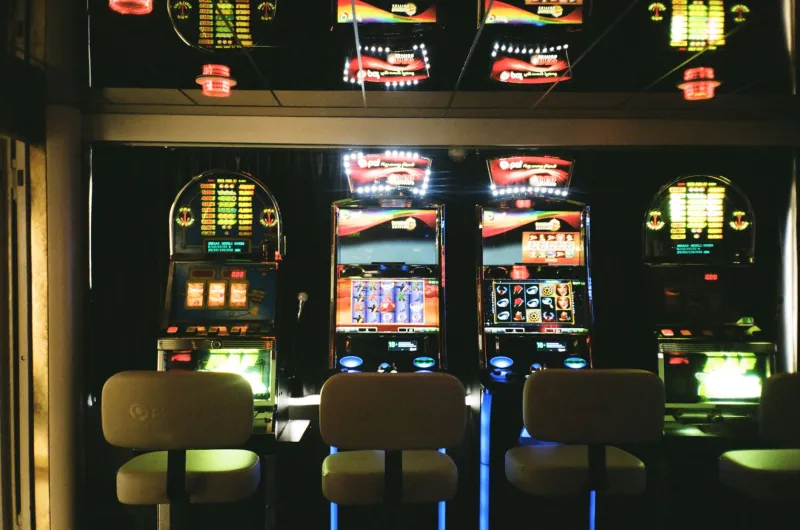
Slot machines, in particular, are famous for their audio engineering. Wins — even tiny ones that don't cover your bet — are celebrated with fanfare. The coins clinking, the cheerful little melody, the visual flash — all of it fires the same dopamine pathway that lights up when you bite into something unexpectedly delicious. Your brain hears win even when your wallet is quietly whispering loss.
Near-misses are especially devious. When two jackpot symbols land on either side of the payline, the machine often plays a sound and animation almost identical to a real win. Your brain experiences something close to the reward response of actually winning — without the actual win. It's a sugar-free candy that somehow still triggers the craving.
Practical counter-move: Play with the sound off, at least occasionally. It feels weird at first, but removing the audio layer strips away a significant portion of the emotional manipulation. You'll be surprised how differently you evaluate a session when it's quiet.
Reward Timing: The Slot Machine Is a Candy Dispenser on a Variable Schedule
If you've ever wondered why slot machines are so much more compelling than, say, a game of checkers, the answer is variable ratio reinforcement — and it's the same reason a bag of mixed candy is more exciting than a sleeve of identical crackers.
Fixed rewards are predictable and quickly become boring. But when rewards arrive at unpredictable intervals — sometimes after two spins, sometimes after forty — your brain enters a state of heightened anticipation that's genuinely difficult to exit voluntarily. This is the same principle behind why people compulsively check their phones, why fishing is addictive despite long stretches of nothing happening, and why that mystery bag of assorted gummies is more fun than a bag of only your favorite flavor.
Casinos dial this up further with bonus rounds, free spin triggers, and progressive jackpots. Each of these is a separate layer of unpredictable reward, stacked on top of the base game's already-variable payout structure. You're not playing one slot machine. You're playing several overlapping candy dispensers simultaneously.
Practical counter-move: Set a spin limit, not just a dollar limit. Decide before you sit down that you'll play a maximum of 200 spins or 45 minutes — whichever comes first. Treating time and spins as a finite resource is a more effective brake than dollar amounts alone, because it disrupts the variable reward loop rather than just capping its cost.
The Loyalty Loop: Your Player Card Is a Frequent Buyer Punch Card With Teeth
Every casino loyalty program in America is built on the same behavioral foundation as the punch card at your local froyo shop — except instead of a free cup after ten visits, you're chasing tier upgrades, comp dollars, and free play credits that require significantly more spending to unlock than most players realize.
The genius of these programs is that they transform gambling losses into a kind of progress. You didn't just lose $80 — you earned 800 points toward your next reward tier. The loss gets reframed as an investment, and that reframing keeps players engaged long after rational math would suggest logging off.
This is pure candy store psychology: the reward isn't the candy you bought today, it's the promise of the candy you'll get if you keep coming back. The loyalty card is always there, always accumulating, always dangling something slightly out of reach.
Practical counter-move: Calculate your actual comp rate before you get attached to a program. Most casino loyalty programs return somewhere between 0.1% and 0.5% of your wagers in real value. If you're spending $500 chasing a $10 free play credit, the punch card is winning, not you.
The Endless Bowl Effect: Why Online Casinos Never Show You the Bottom
Researchers studying eating behavior discovered something called the Bottomless Bowl Effect: when people ate soup from a bowl that secretly refilled itself, they consumed 73% more than those eating from a normal bowl — and didn't feel any fuller. The absence of a visible endpoint killed their natural stopping cue.
Online casinos are bottomless bowls with better graphics. There's no closing time. There's no walk to the parking garage. There's no physical exchange of chips that makes the money feel real. You can reload your account in thirty seconds without standing up. Every natural stopping point has been smoothed away like the edges of a well-made gumdrop.
Practical counter-move: Create artificial stopping cues for yourself. Set a phone alarm for the end of your intended session. Keep a physical notepad next to you where you write down your starting balance and update it every fifteen minutes. Making the invisible visible — your time, your money, your progress — counteracts the bottomless bowl design.
Playing Smarter in a Store Built to Make You Spend
None of this means casinos are evil or that playing them is foolish. A candy store isn't evil either — it just knows exactly what it's doing, and it's counting on you not to. The players who do best over time are the ones who walk in with their eyes open, their budget set, and their psychological defenses politely but firmly in place.
Know the colors are working on you. Turn the sound down sometimes. Set spin limits, not just dollar limits. Understand what your loyalty points are actually worth. And when you notice yourself thinking just one more spin, ask yourself whether that thought is yours — or whether the machine put it there.
Because the house always has a plan. The question is whether you have one too.