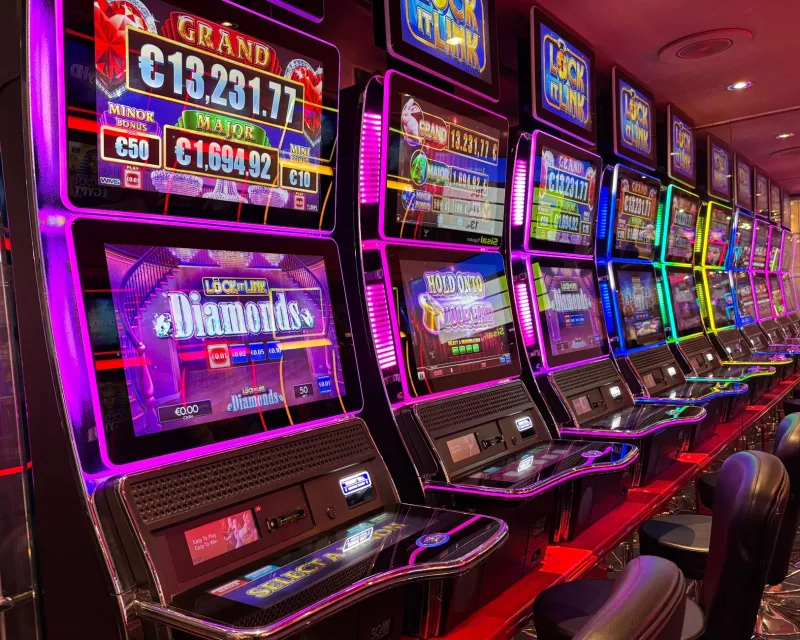
Less Candy, More Profit: The Surprising Case for Small-Library Casinos
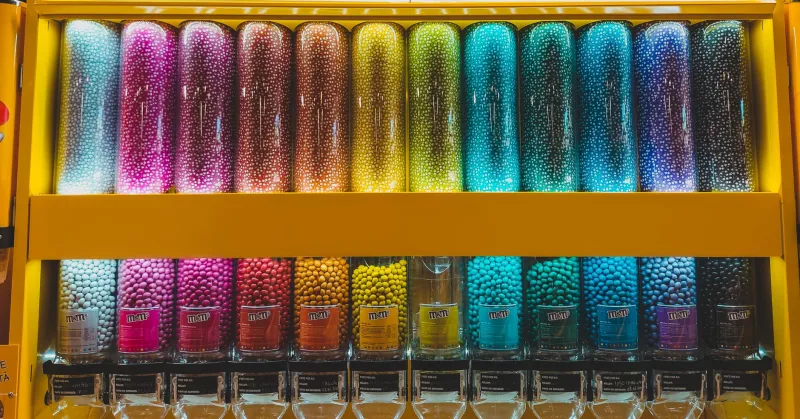
Imagine walking into a candy store the size of a Walmart. Every wall, every aisle, every checkout lane — candy. Gummies shaped like dinosaurs, chocolates from countries you've never heard of, seventeen varieties of caramel corn. Sounds amazing, right? Now imagine you've been standing in that store for forty-five minutes, your arms are full of things you didn't mean to grab, and you still haven't found the peanut butter cups you actually wanted.
That's the modern mega-casino experience in a nutshell.
The gaming industry has spent the last decade in an arms race of quantity. Five thousand games! Ten thousand titles! A new slot dropping every Tuesday! And players keep signing up, dazzled by the sheer scale of it all. But here's the uncomfortable truth nobody's putting in their promotional email: more games doesn't mean better outcomes. For a lot of US players, it means worse ones.
Your Brain on Too Many Options
Psychologists have a name for what happens when you're handed too many choices: decision fatigue. Columbia University researcher Sheena Iyengar famously demonstrated this with jam — shoppers presented with 24 jam varieties were far less likely to actually buy anything compared to shoppers who saw just 6 options. The paradox of choice, as Barry Schwartz later coined it, is that abundance breeds paralysis, regret, and dissatisfaction.
Now swap jam for slots, and the effect gets worse. At a casino, decision fatigue doesn't just make you unhappy — it makes you sloppy. When your brain is overwhelmed by a library of 3,000 games, it stops making deliberate choices and starts making reactive ones. You click on whatever has the flashiest thumbnail. You chase the game with the biggest jackpot number even if the RTP is garbage. You bounce between titles every fifteen minutes because nothing feels quite right.
Strategic play — the kind that actually protects your bankroll — requires mental clarity. And mental clarity is exactly what a 6,000-game lobby destroys.
What 'Curated' Actually Means (And Why It Matters)
Small-library casinos aren't just casinos that couldn't afford more games. The good ones are making a deliberate editorial choice — the same way a great restaurant has 12 items on the menu instead of 112. Every title in a curated library is there for a reason. Higher average RTPs. Proven player engagement. Quality software providers. No filler, no shovelware, no five-reel slot that exists purely because a developer needed to hit a quarterly release target.
For players, this translates directly into better outcomes in a few measurable ways:
You spend less time choosing and more time playing well. At a curated casino, you can realistically learn the mechanics, bonus structures, and volatility profiles of most games in the library. That knowledge compounds. You stop stumbling into high-house-edge games by accident and start making informed decisions about where your money goes.
The average game quality is higher. When a casino isn't padding its library with filler, the titles it does carry tend to be the stronger performers. Better RTPs, better bonus features, better odds of walking away with something in your pocket.
Customer support actually knows the product. This one sounds minor until you need it. At a mega-site with thousands of games, support staff can't possibly know the specifics of every title. At a curated casino, they often can — which means faster resolution when something goes sideways.
The Retention Data Nobody Talks About
Here's a pattern that industry insiders notice but rarely advertise: player churn rates at mega-casinos are significantly higher than at focused platforms. Players sign up, get overwhelmed, play erratically, burn through their bankroll faster than they expected, and bounce. The casino made money. The player did not have a good time.
Smaller, curated casinos tend to build longer-term player relationships. When someone knows the library, has their go-to games, and understands the platform's bonus structure, they play with intention. Intentional play is almost always more profitable for the player than reactive, scroll-and-click gambling.
This isn't charity on the casino's part — loyal players are more valuable to a casino than one-and-done signups. But the byproduct for you, the player, is a platform that's genuinely invested in your experience rather than just your first deposit.
How to Spot a 'Sweet Spot' Casino
Not every small-library casino is a hidden gem. Some are just underfunded. The difference is in the curation quality. Here's a quick framework for identifying the good ones:
Check the provider roster first. A curated casino should be carrying games from consistently strong software developers — think studios known for fair RTPs and regular third-party audits. If you don't recognize a single provider name, that's a red flag, not a sign of charming obscurity.
Look at the RTP averages across the slot library. Some casinos publish this; others you'll need to check game by game. A curated casino should be averaging somewhere north of 95% across its slots. If you're seeing a lot of 92-93% RTPs, the curation is prioritizing casino margin over player experience.
Count the table game variants. A bloated casino might have 47 blackjack variants. A quality curated casino might have eight — but those eight will cover every meaningful rule variation a serious player cares about. Quantity of variants without quality distinction is just noise.
Read the bonus terms before the bonus size. Curated casinos tend to have cleaner, more reasonable wagering requirements because they're not trying to lure you with a headline number and bury the catch in 4,000 words of fine print. If the terms are short and legible, that's usually a good sign about the platform's overall philosophy.
The Peanut Butter Cup Principle
Here's the thing about that overwhelming candy store: what most people actually want is pretty simple. A few great options they can rely on, priced fairly, available when they want them. The peanut butter cup, basically. Consistent, satisfying, exactly what it promises to be.
The casino equivalent is a platform where you know what you're getting, trust the games you're playing, and don't spend half your session paralyzed in a lobby that looks like Times Square on New Year's Eve.
Bigger game libraries make for better marketing copy. But better marketing copy doesn't pay out on a Tuesday night when you're trying to make smart decisions with your entertainment budget.
Find your peanut butter cup casino. Learn it well. Play it smart. The players who win most consistently aren't the ones chasing the biggest candy store in the country — they're the ones who figured out exactly what they like and stopped letting the wrapper do the thinking for them.