Checkout Lane vs. Casino Floor: Why Your Brain Pulls Dumb Stunts in Both Places (And How to Outsmart It)
Let's paint a picture. You're at Target. You've been strong. You walked past the Halloween candy display without flinching, skipped the impulse-buy section near the entrance, and even put the fancy trail mix back on the shelf. You are, by all accounts, a person of iron will and exceptional character.
Then you sit down at an online casino, and forty-five minutes later you've chased three losing spins with a bet three times your usual size and somehow convinced yourself it was "strategic."
What happened? Did your willpower evaporate? Did the same brain that said no to the Reese's cups suddenly become incapable of saying no to anything?
Short answer: kind of. Long answer: it's more interesting than that — and understanding the difference might be the most valuable thing you do for your casino game this year.
The Checkout Lane Con: Simple, Fast, and Shameless
Retail impulse buying is almost embarrassingly straightforward once you see the machinery behind it. Grocery stores and big-box retailers have spent decades perfecting the science of the checkout zone. Candy, gum, magazines, and small gadgets aren't placed there by accident — they're positioned at eye level, priced just low enough to skip the mental math, and timed to hit you exactly when your decision fatigue is highest (after you've already made a hundred small choices navigating the store).
The psychological trigger here is low-stakes justification. A $2.49 candy bar doesn't feel like a real decision. Your brain essentially waves it through like TSA waving through a sandwich. The price is small enough that the pain of paying barely registers, and the reward — sugar, flavor, that little dopamine tap — is immediate and familiar.
This is impulse buying in its purest, laziest form. It's your brain on autopilot, outsourced to whoever designed the store layout.
The fix? Also pretty simple: eat before you shop, use a list, and keep your phone out so you have something to look at while you wait in line. Boring advice, but it works, because the trigger is environmental and easy to sidestep once you know it's there.
The Casino Floor Con: Slower, Deeper, and Way More Personal
Here's where things get genuinely fascinating — and a little unsettling.
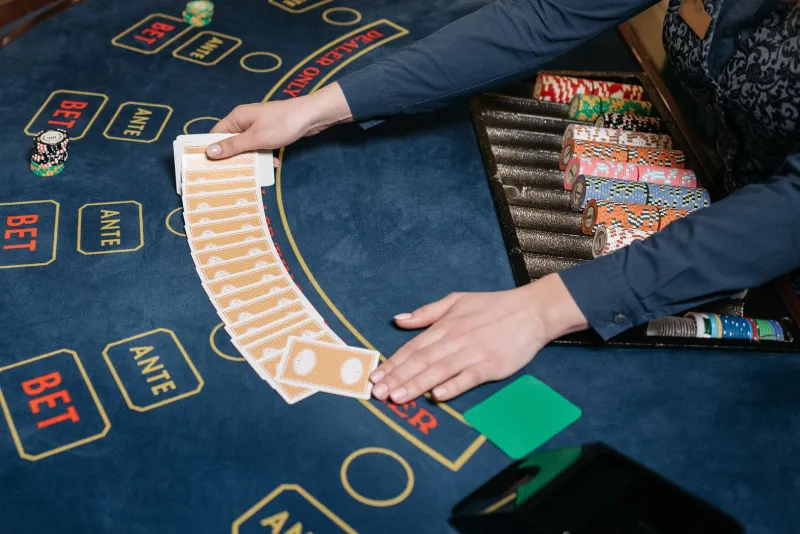
Casino environments, whether you're in a Las Vegas poker room or playing slots through your laptop at midnight, operate on an entirely different psychological playbook. The triggers aren't about decision fatigue or low-stakes justification. They're about altered time perception, manufactured social reality, and variable reward loops that your brain literally cannot resist by design.
Let's break those down.
Time distortion is the first big one. Physical casinos are famously designed without clocks or windows, which isn't an accident — it's a blueprint. When you lose track of time, you lose your mental anchoring. You stop thinking "I've been here for two hours" and start thinking in terms of sessions and streaks. Online casinos create a softer version of this same effect: the interface is designed to be frictionless, the next spin is always one click away, and nothing in the experience tells you to stop and check the clock.
Variable reward timing is the second, and it's the big one. Unlike buying a candy bar — where the reward (eating it) is immediate and predictable — casino games deliver rewards on an unpredictable schedule. Sometimes you win on spin two. Sometimes on spin two hundred. Your brain, which evolved to be absolutely obsessed with unpredictable rewards, treats this like the most interesting thing that has ever happened to it. This is the same mechanism behind why you check your phone every twelve minutes. It's not weakness. It's neuroscience.
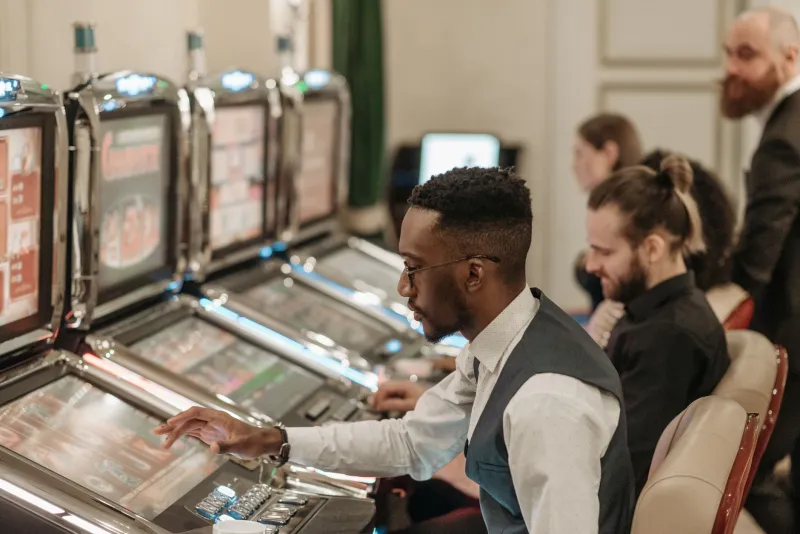
Social pressure — real or implied — is the third layer. In a physical casino, the energy of the room, the sounds of other people winning, and the subtle social awkwardness of walking away from a table all create friction against good decisions. Online, this pressure is more subtle: leaderboard features, pop-up notifications about other players' jackpots, and the simple fact that no one is watching you means there's no social brake on your behavior either.
Put all three together, and you have an environment that is specifically, intentionally calibrated to make your normal willpower strategies useless. The same mental muscles you used to walk past the candy display at Target are completely the wrong tool for this job.
Why "Just Use Willpower" Is Terrible Advice for Both
Here's the thing that most gambling strategy guides get wrong: they treat discipline like a fixed resource you either have or don't. But willpower is more like a muscle that fatigues — and the casino environment is specifically designed to exhaust it faster than anything else in your daily life.
The checkout lane hits you when your willpower is already low (end of a shopping trip). The casino hits you with a completely different arsenal that bypasses willpower almost entirely by targeting your reward circuitry directly.
This means the solution can't be "try harder." It has to be structural.
Practical Hacks That Actually Work
For the checkout lane:
- Shop with a list and a time limit. Friction is your friend.
- Keep small bills out of your wallet. If paying feels slightly annoying, you'll skip more impulse buys.
- Use self-checkout when you can — removing the social element reduces pressure to fill the wait time with purchases.
For the casino:
- Set a hard session timer before you start playing — and put it somewhere visible. A phone alarm is fine. The goal is to reintroduce the time anchoring that the environment strips away.
- Decide your stop-loss and win-goal numbers before the first spin, not during. Mid-session you, surrounded by flashing lights and the ghost of a near-miss, is not qualified to make that call. Pre-session you is.
- Take physical breaks. Stand up, walk away from the screen, get a glass of water. This isn't just feel-good advice — it genuinely interrupts the hypnotic rhythm that variable reward schedules create.
- Play with a budget app or a simple notepad tally running alongside your session. Making the math visible counteracts the casino's tendency to make money feel abstract.
The Sweet Spot: Knowing Which Game You're Actually Playing
Here at Big Candy Casino, we'll be the first to admit that casino games are designed to be compelling — that's literally the point, and it's why they're fun. But there's a difference between enjoying the ride and getting taken for one.
Your brain makes different dumb choices at the candy checkout and the casino floor because it's responding to completely different psychological environments. The checkout exploits laziness and low-stakes thinking. The casino exploits your deepest reward-seeking instincts.
Once you know which tricks are being run on you, you can stop fighting yourself and start setting up the right guardrails instead. Think of it as reading the wrapper before you eat the candy — a little label-checking goes a long way toward making sure the treat stays a treat and doesn't turn into a stomachache.
Now go set that session timer. Pre-session you is the smart one.