Portion Control for Your Wallet: A Candy-Smart Guide to Casino Bankroll Management
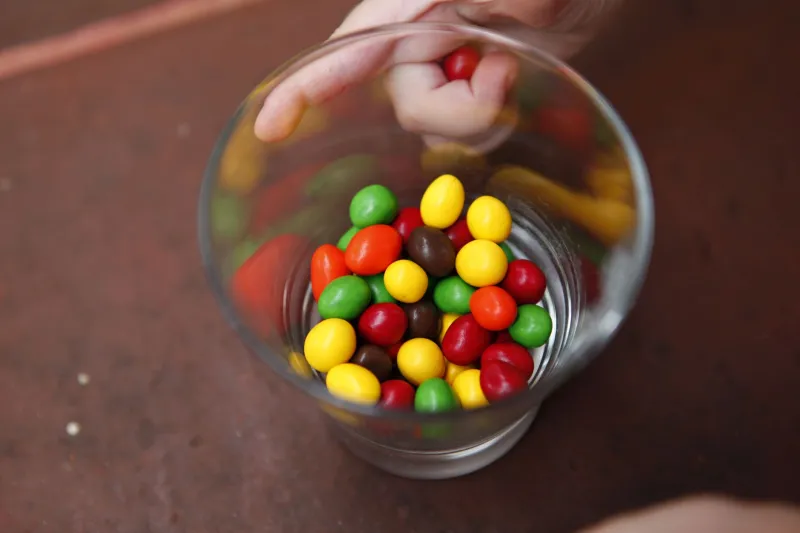
Photo: Jay from UK, CC BY 2.0, via Wikimedia Commons
Picture this: you're standing at the candy counter, eyes wide, holding a $20 bill. You could blow the whole thing on one enormous sugar rush — or you could pick a smart mix, pace yourself, and still have something left to enjoy on the drive home. Managing a casino bankroll works almost exactly the same way. The players who walk away smiling aren't necessarily the luckiest ones; they're the ones who figured out their portions before the first spin ever hit.
Let's unwrap this thing properly.
First, Decide What's Actually in the Bag
Before you load up your account or hit the casino floor, you need to figure out your session budget — the total amount you're genuinely comfortable losing without it affecting rent, groceries, or your Netflix subscription. Not the amount you hope to win back. Not the amount that stings a little but probably won't hurt. The amount that, if it disappeared completely, you'd shrug and say, "Well, that was fun."
Think of this as your candy allowance for the week. A reasonable benchmark that many recreational US players use is somewhere between 1% and 5% of monthly disposable income set aside purely for entertainment. If you've got $400 in fun money each month, a $20–$40 casino session budget is a perfectly reasonable treat. It's a bag of premium gummy bears, not a full candy buffet.
The critical mindset shift here is this: casino money is entertainment spending, not investment capital. The moment you start treating it like a down payment on something better, you've already left the candy store and wandered into somewhere much less fun.
Break It Down Into Individual Pieces
Here's where a lot of players go sideways. They sit down with, say, $100 and immediately start placing $10 bets because it feels bold and exciting. That's like opening a bag of your favorite chocolates and eating half of them in the car before you even get home. Thrilling in the moment, deeply regrettable shortly after.
A smarter approach is the 1–2% rule per spin or hand: keep each individual wager to roughly 1–2% of your total session bankroll. So if you're playing with $100:
- $1–$2 per spin on slots keeps you in the game long enough to actually enjoy the experience
- $2–$5 per hand at a low-stakes blackjack table gives you room to weather a losing streak
- On video poker, sticking to the minimum denomination that still qualifies for the full pay table is almost always the smart candy pick
The math isn't complicated. Smaller bets = more plays = more entertainment time = better value from your fun budget. You're not leaving money on the table; you're making your candy last.
Set Hard Limits Before You Start — Not During
Here's the sneaky thing about casino sessions: they have a way of feeling very different once you're inside them. You're up $30 and suddenly $100 seems like a perfectly reasonable total budget. You're down $40 and somehow adding another $20 feels like a sensible recovery plan. Your brain, bless its chaotic little heart, is not your ally in these moments.
This is exactly why your limits need to be decided before you ever open the app or sit down at the table. Write them down if it helps. Tell a friend. Set an actual deposit limit through the casino's responsible gaming tools — most reputable US-facing casinos offer these, and using them is genuinely one of the smartest moves a player can make.
Two limits matter most:
- Loss limit: The absolute maximum you'll lose in a single session. Once you hit it, the bag is empty. You close the tab, you go do something else, full stop.
- Win goal: A target at which you'll pocket your profits and walk away happy. Not greedy — happy. Turning a $50 session into $90 and cashing out is a genuine win. Turning it into $90 and then grinding until you're back at $30 because you got ambitious? That's just buying the candy and then leaving it on the bus.
The Psychology of "Just One More Piece"
Everyone who has ever stared at an almost-empty candy bag knows the feeling: there are only three pieces left, it'd be weird to save them. Casinos — knowingly or not — are designed to trigger exactly that kind of thinking. One more spin. One more hand. You're so close to the bonus round.
Recognizing this pattern is half the battle. When you feel the urge to chase, it's almost never because the math has suddenly improved in your favor. It's because your brain is responding to the stimulation of the game itself, not to any real signal that a win is coming. The slot machine doesn't know how long you've been playing. It doesn't owe you anything. Every spin is independent — which means "just one more" is never a strategy, it's just a feeling.
A useful trick: physically step away for five minutes when you feel the chase instinct kick in. Get some water. Check your phone. The urge almost always softens when you put a little distance between yourself and the screen.
Treat Different Games Like Different Candy Budgets
Not all casino games eat your bankroll at the same speed, and building a smart strategy means knowing which sweets are quick sugar highs and which ones are slow-burn favorites.
- High-volatility slots are like popping Warheads — intense, fast, and your stash can disappear shockingly quickly. These need a bigger overall bankroll relative to your bet size to survive the dry spells.
- Low-volatility slots and video poker are more like a steady stream of peanut butter cups — smaller hits, more consistent, kinder to a modest session budget.
- Table games like blackjack or baccarat have some of the best odds in the house when played with basic strategy, making them the sensible dark chocolate of the casino world. Lower house edge, slower burn.
Matching the game type to your actual budget — not just the budget you wish you had — is one of the most underrated skills in recreational gambling.
The Takeaway: Enjoy the Candy, Don't Eat the Bag
Bankroll management isn't about being boring or overly cautious. It's about making sure the fun actually stays fun from the first spin to the last. Decide your budget before you start. Keep individual bets small relative to your total. Set firm limits and respect them even when your brain starts negotiating. Match your game choice to your actual bankroll.
Do all that, and your casino sessions become exactly what they're supposed to be: a genuinely enjoyable treat that you can look forward to again next time. Nobody wants to end the night feeling sick from too much candy. Pace yourself, and the whole experience tastes a whole lot sweeter.