Fifty States, Fifty Different Candy Policies: Your 2026 Field Guide to Legal Online Gambling in America
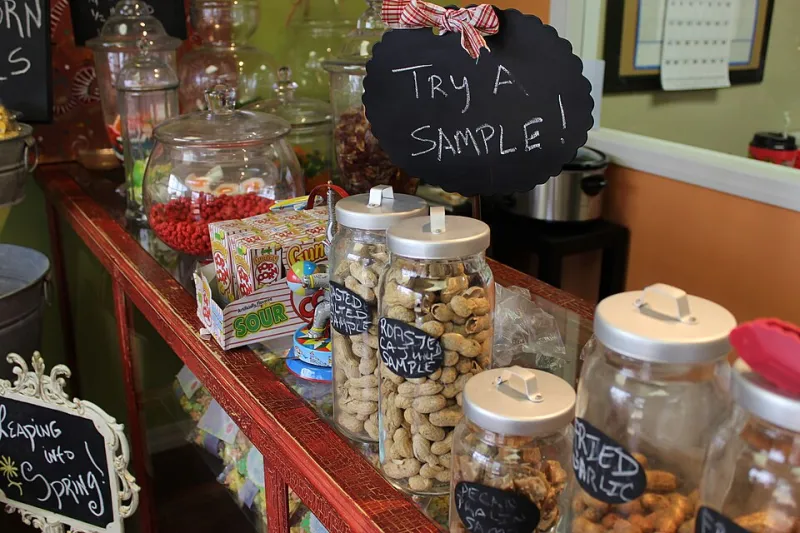
Photo: Shreveport-Bossier Convention and Tourist Bureau, CC BY 2.0, via Wikimedia Commons
Imagine a candy store where the front door rules change at the state line. In New Jersey, grab whatever you want off the shelves. In Utah, the store doesn't exist and never will. In Ohio, you can buy lottery tickets and bet on sports but the casino aisle stays roped off. Welcome to American online gambling law, a patchwork quilt stitched by fifty legislatures who all have different ideas about sugar.
If you've ever Googled "is online gambling legal in my state" and gotten a migraine, this guide's for you. Consider it the store map taped to the front door.
The Three Shelves, Explained
First, know that "online gambling" isn't one product — it's three, and states treat them very differently:
Online sports betting is the most widely available shelf. Dozens of states now allow it through licensed apps like the ones you see sponsoring every second NFL broadcast. If your state has legal sportsbooks, you probably already know — the ads made sure of it.
Online casinos (slots, blackjack, roulette, live dealer) are the rarest treat. Only a handful of states — Connecticut, Delaware, Michigan, New Jersey, Pennsylvania, Rhode Island, and West Virginia among them — license real-money online casinos. Everyone else, that candy is behind glass.
Online poker occupies its own middle shelf, legal in a somewhat different mix of states than casinos, including Nevada, and shared-liquidity setups that let players from multiple states sit at the same tables.
The State of the Map in 2026
Here's the broad geography without the legalese:
- The fully stocked stores: New Jersey, Pennsylvania, Michigan, and a few others offer sports betting, online casinos, and poker under one roof. If you live here, you have more legal options than 80% of the country.
- Sports-only shops: States like Arizona, Colorado, Tennessee, and Virginia let you bet sports online but keep the casino shelf empty. Plenty of action, no slots.
- The sampling stations: Sweepstakes and social casinos operate legally in most states, offering a casino-flavored experience without real-money wagering — the subject of our recent deep dive.
- The locked doors: Utah and Hawaii ban commercial gambling broadly, and several other states have shown little appetite for expansion. No candy counter, no plans for one.
The exact lineup changes constantly, so treat any list — including this one — with a check-the-date warning. State legislatures meet in sessions, bills get introduced by the dozen, and a state that was closed last January might be taking deposits this fall.
How to Tell When Your State's Counter Is About to Open
Want to be ready when the candy store comes to town? Watch for these signals:
- A study bill passes. When a legislature commissions a report on online gambling revenue, it's doing the homework before the purchase. That's usually the first domino.
- Sports betting is already legal. States rarely leap straight from nothing to online casinos. The typical path is retail casinos, then sports betting, then iGaming a few years later. If your state just legalized mobile sportsbooks, casino legislation is probably percolating.
- Governors mention "new revenue" in budget season. Online casino taxes are candy to state treasurers. When budgets get tight, iGaming bills get serious sponsors.
- Existing tribal or commercial casinos lobby for it. The local casino industry's position is the single biggest predictor. When they back online expansion, bills move fast. When they oppose it, bills die quietly in committee.
The Offshore Trap (Please Read This Part)
Here's where we put on the responsible-candy-adult hat. In states without legal online casinos, offshore sites will happily take your deposits anyway. They look legitimate, they offer "bigger bonuses," and they offer precisely zero recourse if something goes wrong.
If an offshore site freezes your withdrawal — and players report this constantly — you have no regulator to complain to, no licensing body to escalate to, and realistically no way to get your money back. A licensed US casino answers to your state's gaming commission. An offshore site answers to nobody you can call.
The bonus that's 50% bigger isn't bigger. It's a lollipop with a hook in it.
What to Do While You Wait
If your state's shelves are empty in 2026, you still have legal options:
- Daily fantasy sports are legal in most states and scratch a similar competitive itch.
- Sweepstakes casinos offer slot-style play with cash redemption potential in most jurisdictions.
- Licensed sports betting apps, if your state has them, often include casino-style side games.
- Your state lottery's online offerings, which increasingly include instant-win games that are basically slow-motion slots.
And keep an eye on the legislative calendar. The map has redrawn itself dramatically every single year since 2018, and there's no sign of that stopping. The candy counter is coming to more states — just make sure that when it arrives, you're reading the ingredient label before the first purchase.